Storm Damage Documentation Checklist for Northwest Arkansas Homeowners
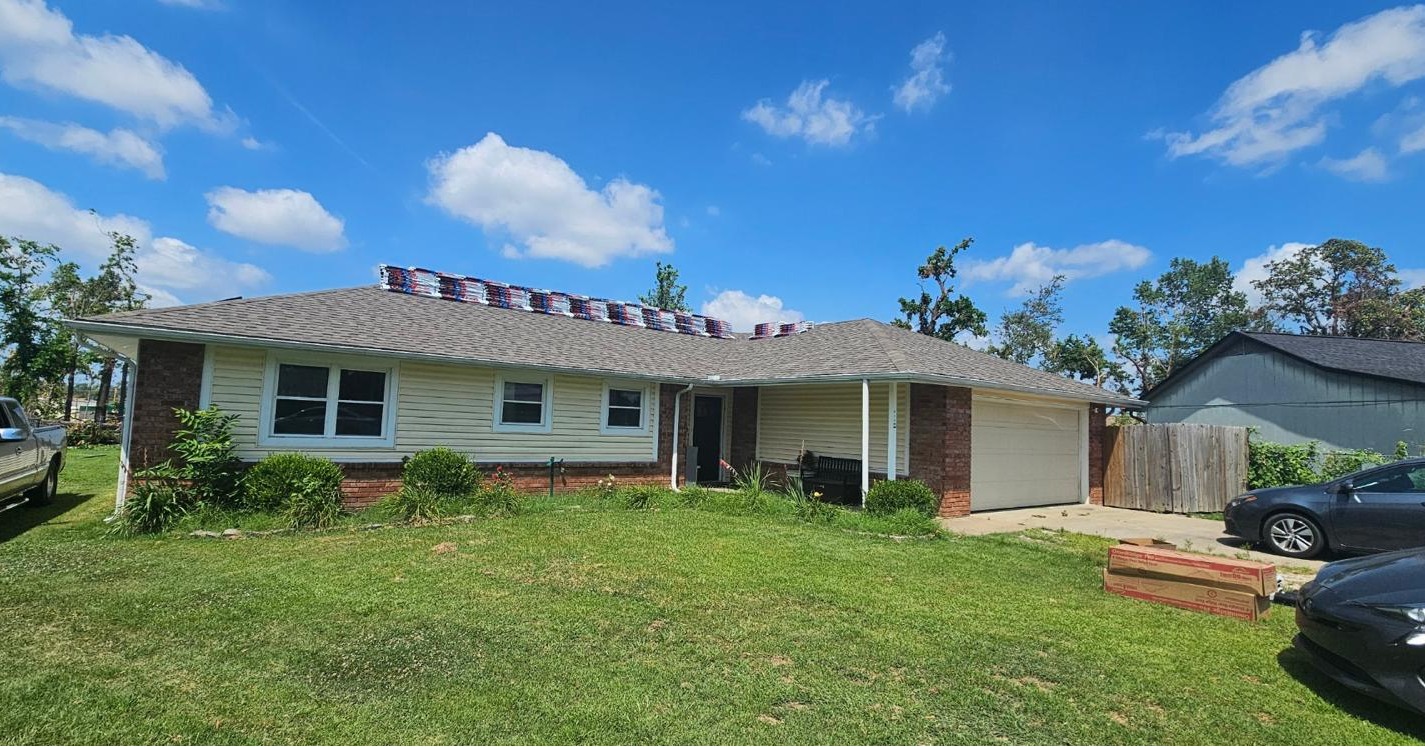
After a severe storm, use this practical checklist to document roof and exterior damage, protect your home, and prepare a clear repair scope.
When a storm moves through Northwest Arkansas, the first priority is making sure everyone is safe. Once it is safe to approach the property, a calm record of what happened can help you communicate with your insurer and a contractor. Photos, notes, receipts, and a clear repair scope are more useful than a rushed decision made from the driveway.
Use this checklist for wind, hail, fallen-branch, and heavy-rain damage. Insurance coverage depends on your policy and circumstances, so contact your insurance company or agent for instructions specific to your claim.
Check for hazards before you inspect
Stay away from downed lines, unstable trees, standing water near electrical equipment, damaged ceilings, and areas that may have shifted. Do not climb onto a roof after a storm. From the ground, look for missing or displaced roofing, damaged siding, broken windows, leaning gutters, and debris near the home.
If you smell gas, see sparking, or suspect structural damage, leave the area and contact the appropriate emergency or utility service. A contractor can inspect the roof and exterior from safe locations and explain what needs a closer evaluation.
Record the date, location, and visible condition
Write down when the storm occurred and which parts of the property were affected. Take wide photos that show the whole elevation, then closer photos of individual issues. Include undamaged areas when they help show the condition around the problem.
For each photo, note the side of the house, approximate location, and what you see. Photograph roof edges, flashing, vents, valleys, gutters, downspouts, siding, trim, windows, doors, fences, and detached structures. If you have older exterior photos, keep them with the new images so the dates and differences are easy to understand.
Document interior signs of water entry
Walk through the attic and each room only when it is safe. Look for ceiling stains, damp insulation, bubbling paint, wet drywall, damaged flooring, and water around windows or exterior doors. Photograph the room as a whole and the detail up close.
Do not cover a stain with paint or remove damaged finishes before you have documented them unless they create a safety or health concern. If water is actively entering, move undamaged belongings away from the area and use a container or temporary protection where it can be done safely.
Make temporary repairs to prevent more damage
Contact your insurance company or agent promptly and ask what they want documented before permanent repairs begin. Temporary measures may include covering a broken window, placing a safe temporary cover over an opening, or removing a small immediate hazard. Use a qualified professional for work that requires a ladder, roof access, electrical repair, tree removal, or structural stabilization.
Keep receipts for materials, emergency service, temporary protection, cleanup, and other storm-related expenses. Save copies of estimates, invoices, inspection reports, emails, and claim correspondence in one folder. Keep a backup somewhere other than the damaged property.
Ask for a focused contractor inspection
A useful inspection should connect visible damage to the roof or exterior system behind it. Ask the contractor to identify whether the issue is limited to a few components or whether water may have reached the deck, flashing, underlayment, wall sheathing, or interior finishes.
Request dated photos and a written scope that separates emergency protection, investigation, repair, replacement, disposal, and cleanup. If concealed damage is discovered after materials are removed, ask how it will be documented and approved before additional work begins.
Compare bids and contractor information carefully
Get estimates that describe the same work so you can compare them fairly. Review the materials, quantities, flashing and ventilation details, cleanup, schedule, payment milestones, and warranty documents. Ask who will perform the work and who will communicate schedule changes.
Be cautious of unsolicited pressure after a storm. Verify the contractor's business information, references, insurance, and licensing where applicable. Do not sign a blank contract or agree to work you do not understand. Keep a complete copy of anything you sign.
Keep the claim and repair records together
Create a simple timeline with the storm date, inspection dates, claim contacts, temporary repairs, approved changes, and completed work. Label photos and receipts so another person can follow the sequence without guessing. This record also helps with future maintenance if the same roof, siding, or drainage area needs attention later.
MGAH Construction provides roof inspections, repair, replacement, and storm restoration services throughout Northwest Arkansas. Explore our project portfolio, then request a free estimate for your property.